Planning – urban, regional, spatial – is rarely considered a soft power mechanism. The currency of soft power supposedly includes culture, political values, and foreign policies. However, where do foreign policies end?
Constructing space, more precisely the methodologies used to envision and construct our built environment, are driven by the idea of progress. In today’s world they are presented as objective, scientific, measurable. However, research shows that the way planning methodologies were developed so as to serve the needs of developing countries and their financiers in the 1960s are not neutral. As such, they continue to shape the spatial planning procedures and have a significant effect on contemporary architecture culture.
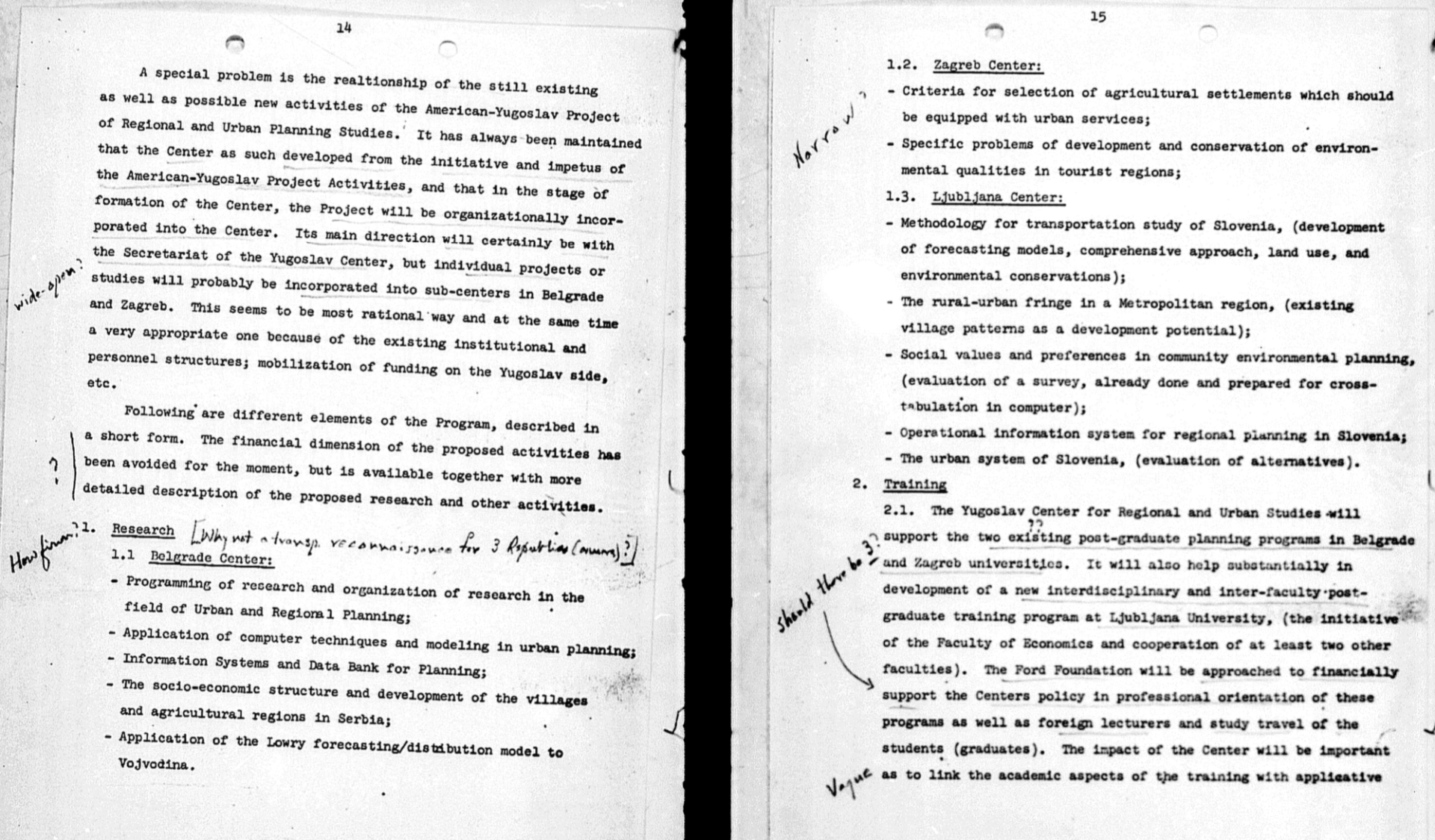
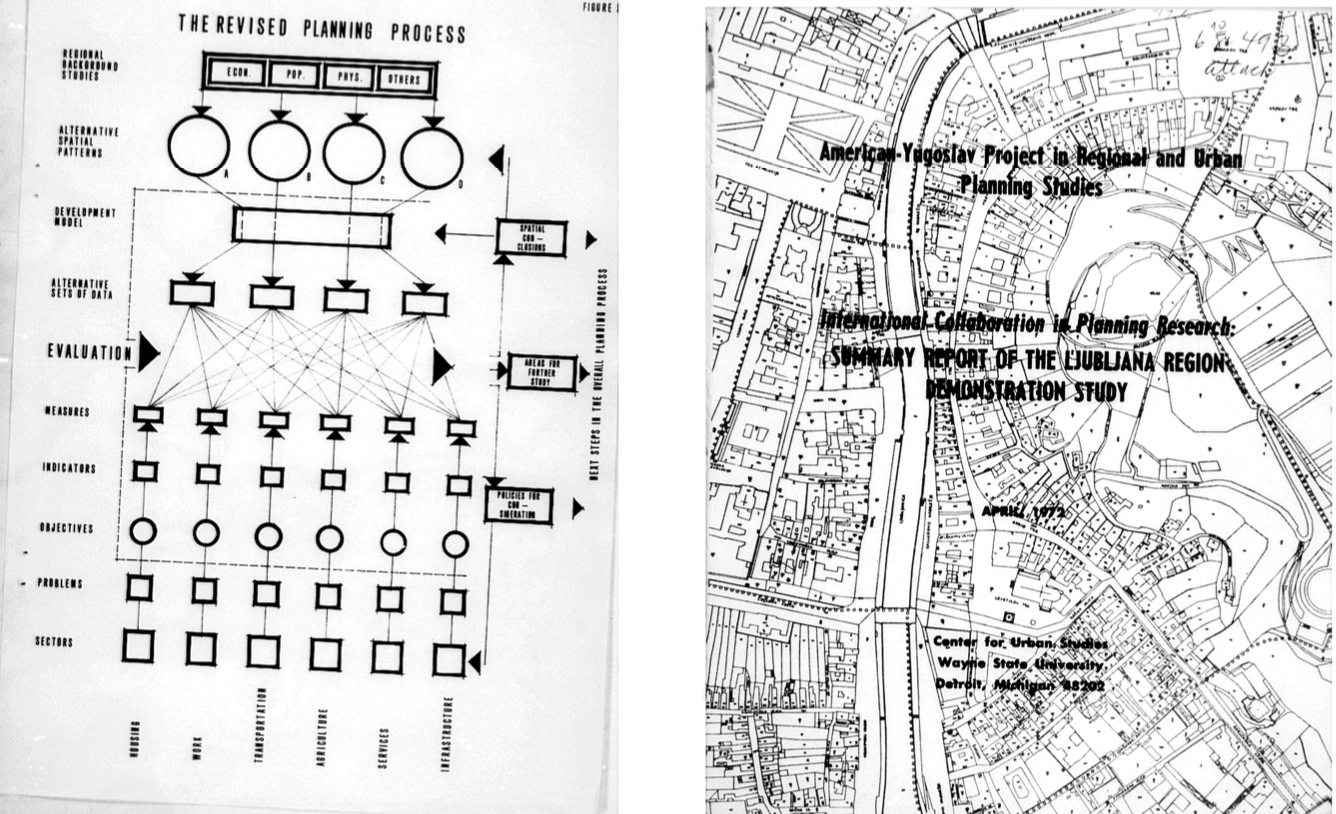
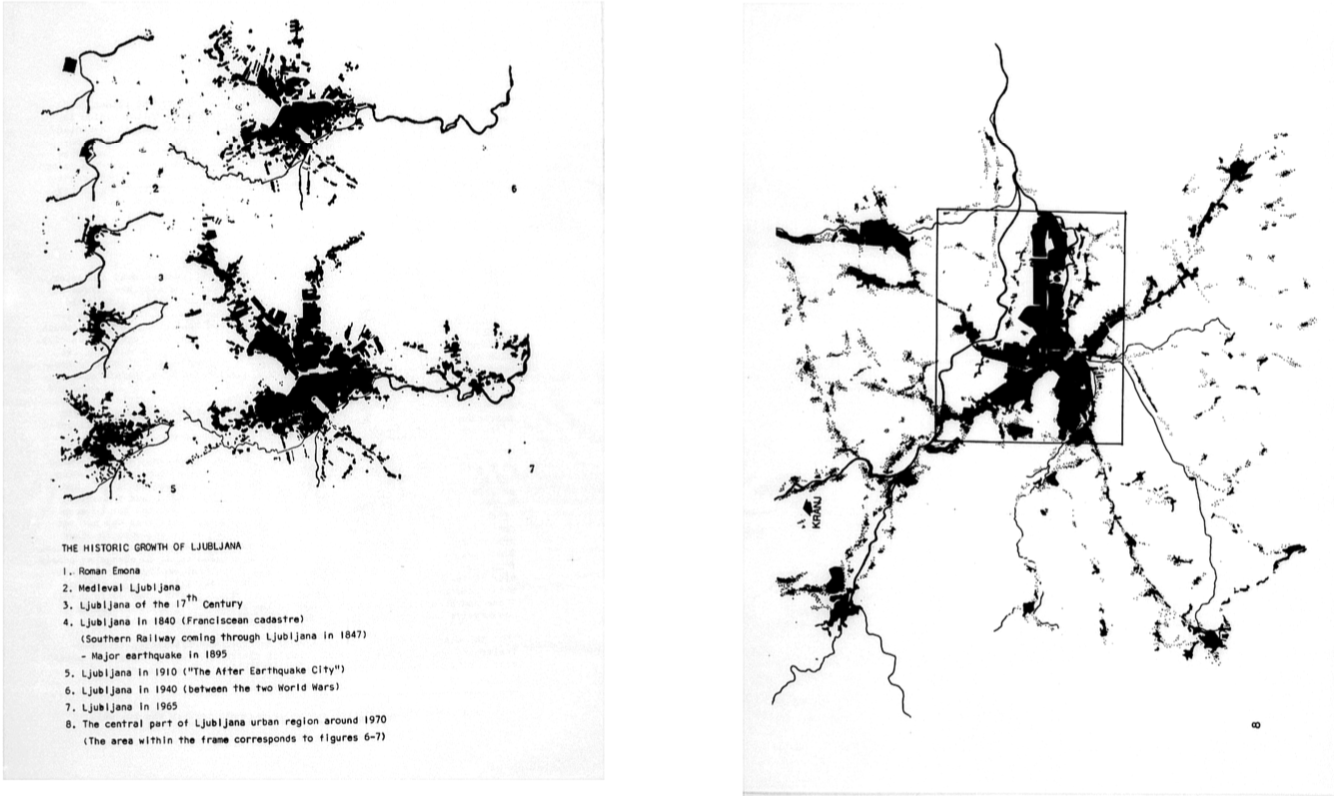
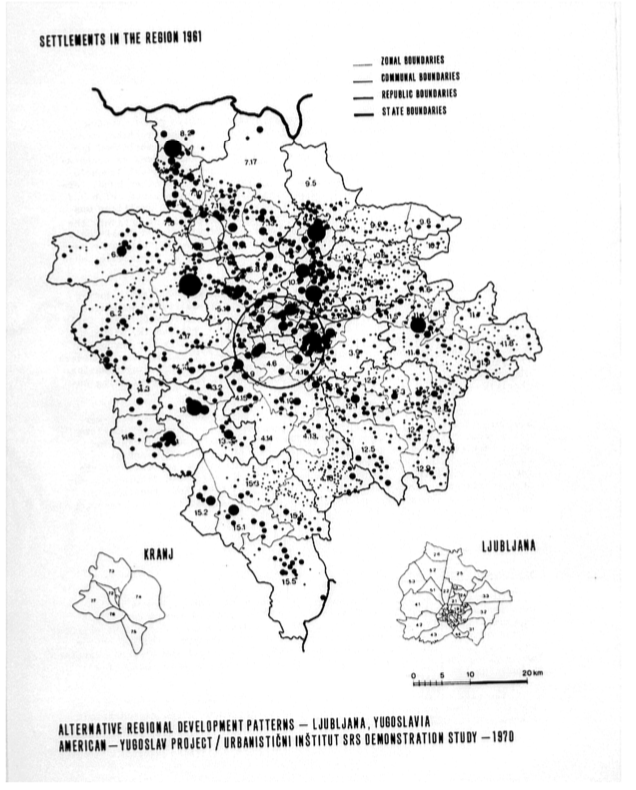
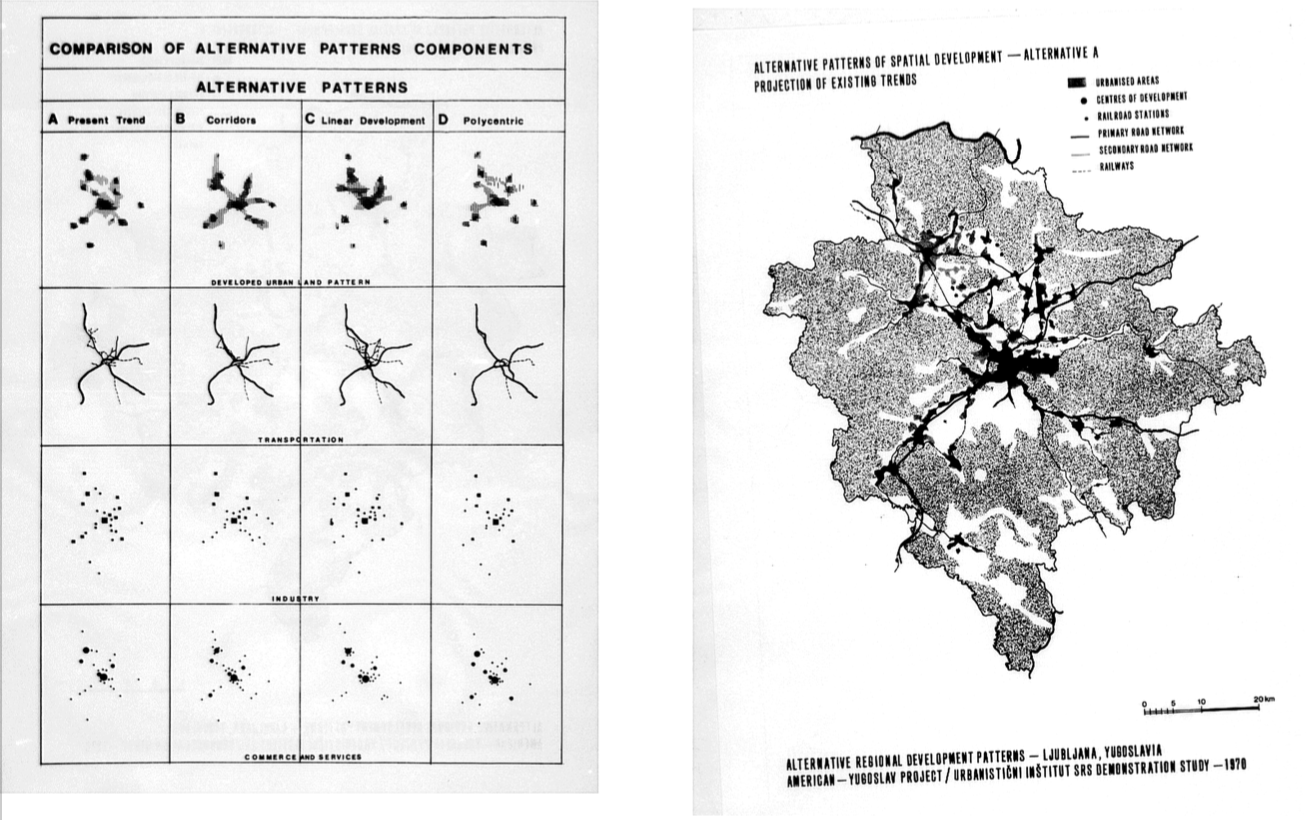
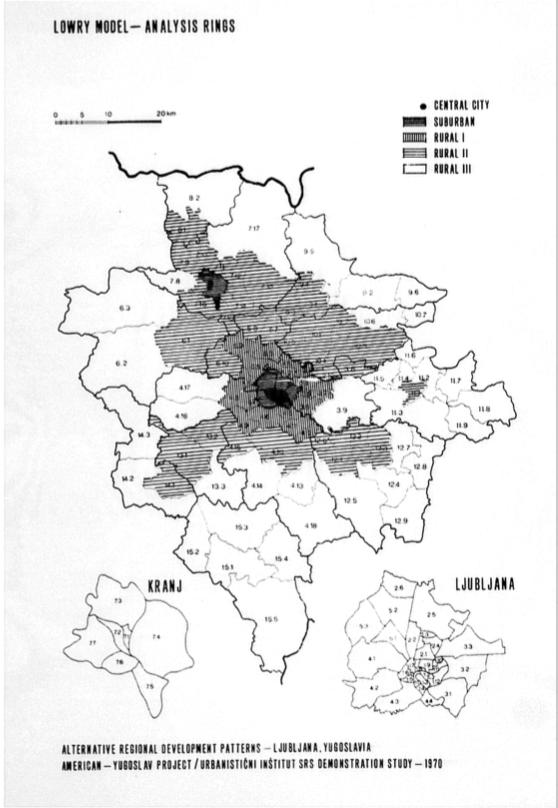
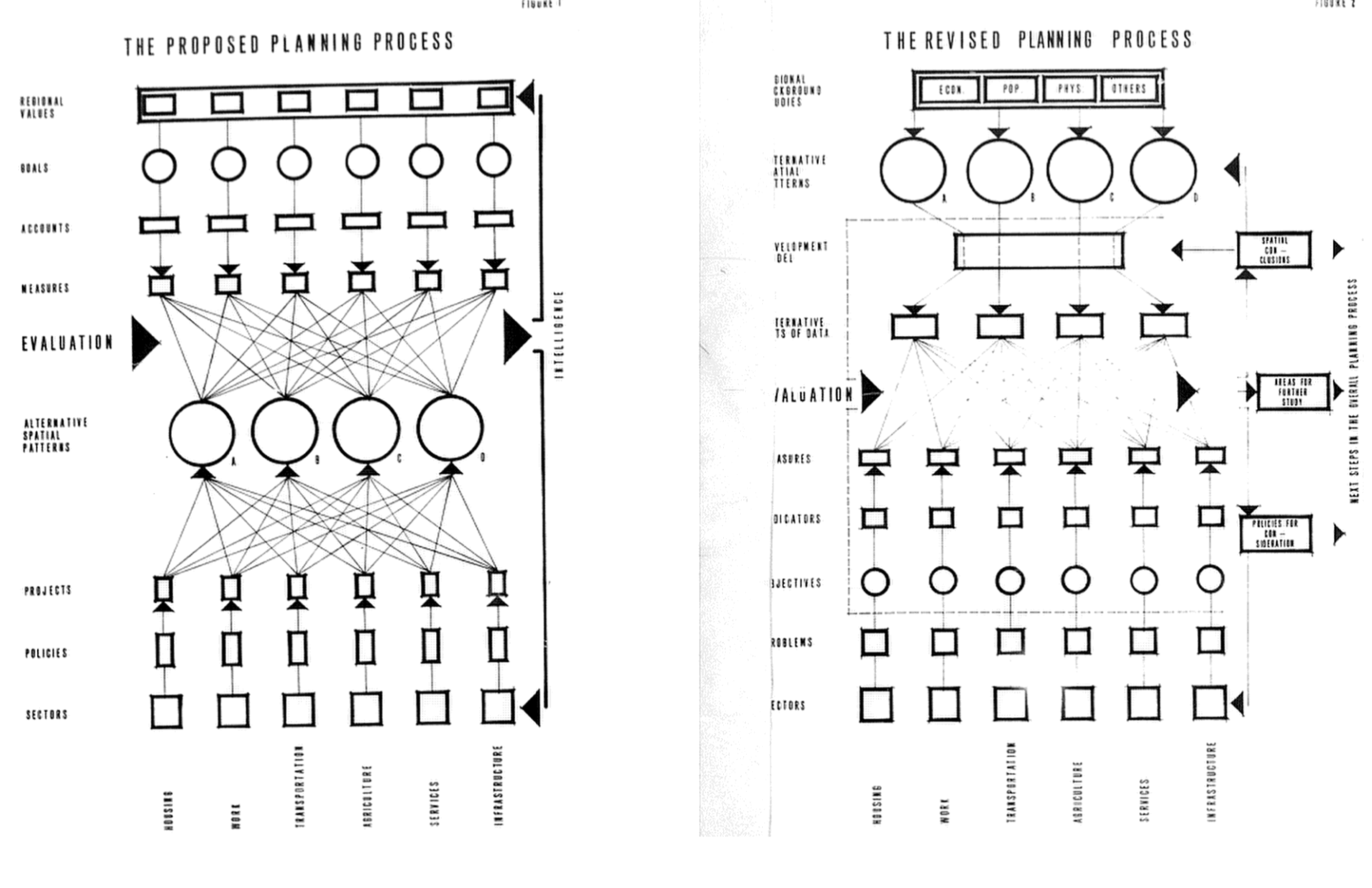
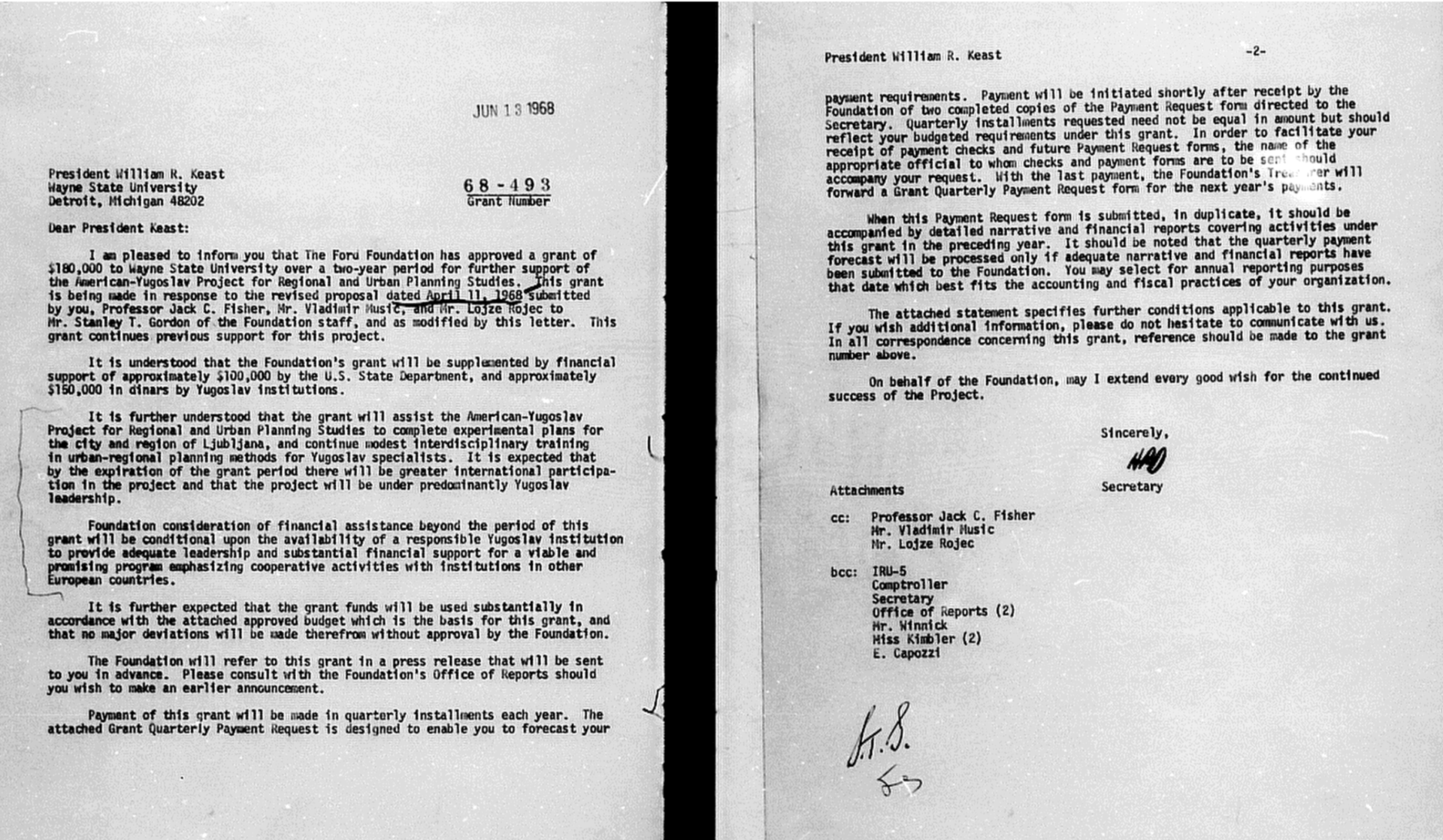
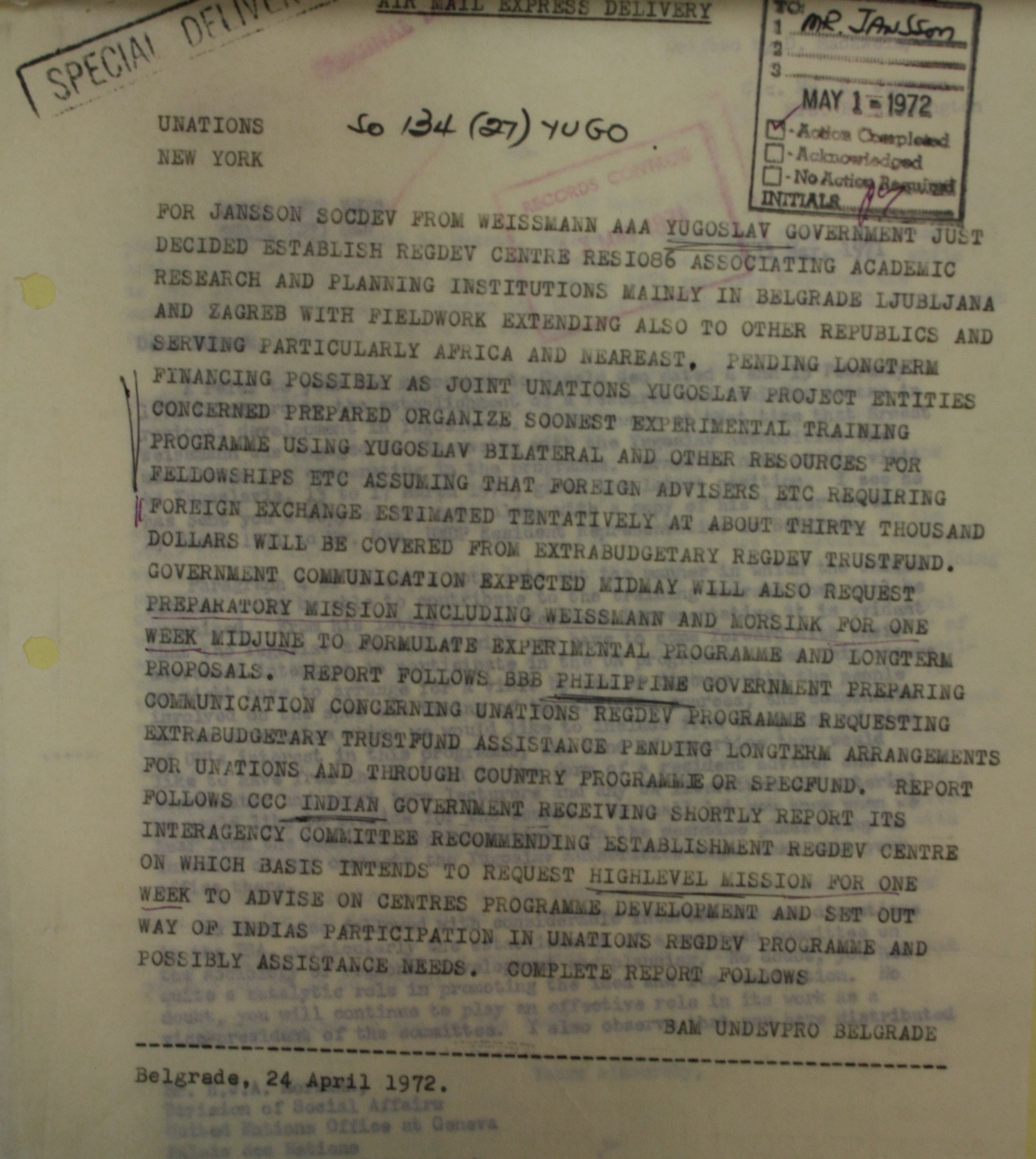
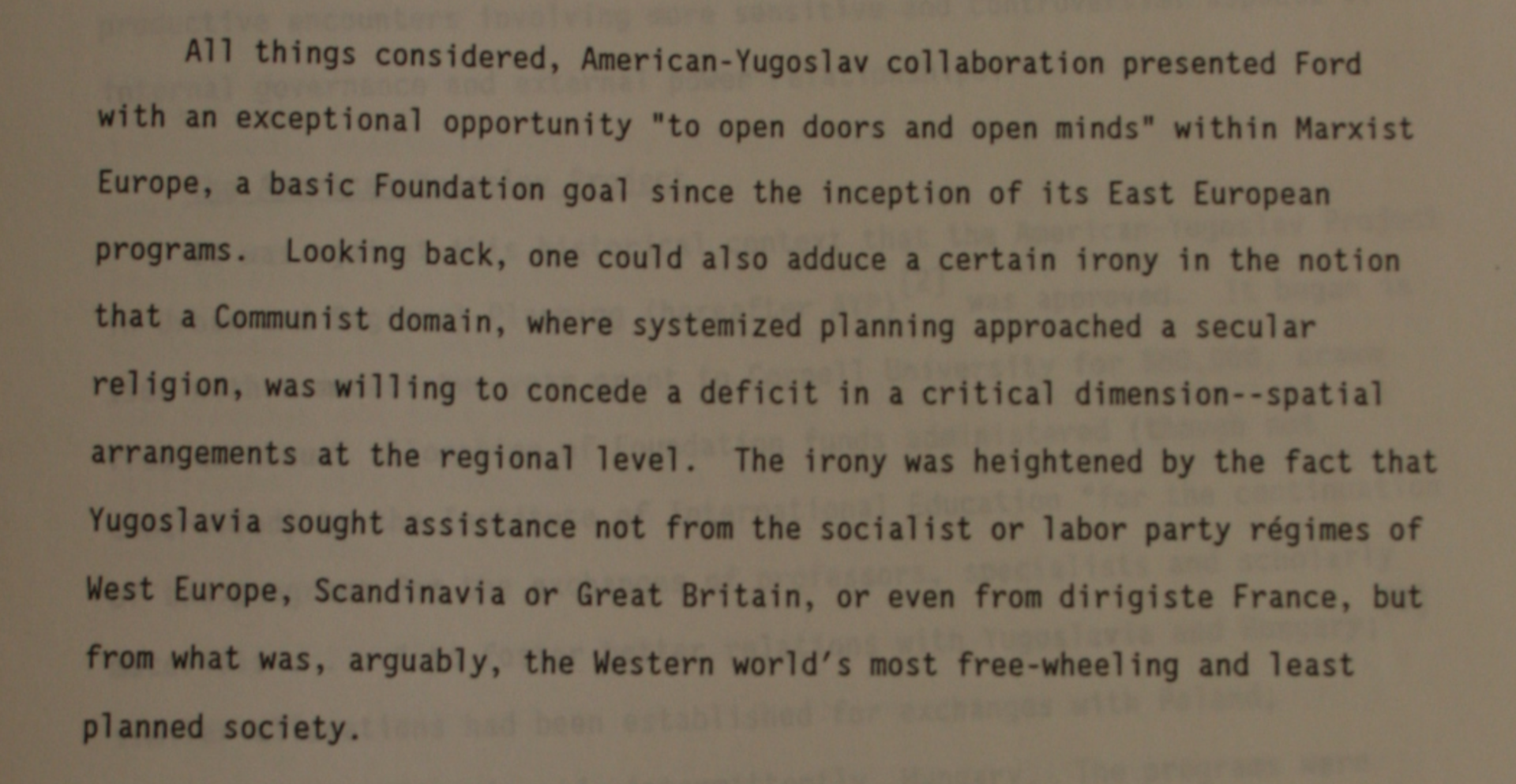
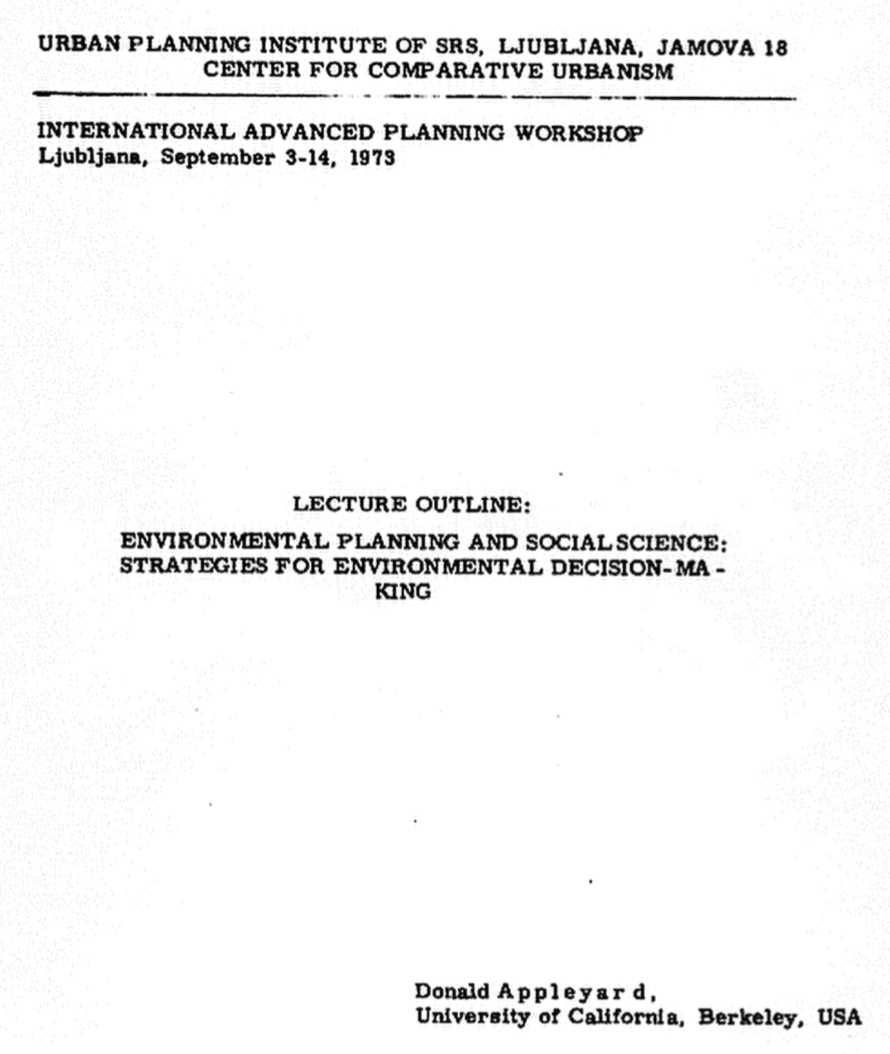
A project that elucidates the reasoning behind planning methodology is the American-Yugoslav Project (AYP). Initiated in 1966, it was a joint project of the Wayne State University and the Urban Planning Institute Ljubljana (UPI) in collaboration with a vast network of Yugoslav institutions. The U.S. and Yugoslav governments, as well as the Ford Foundation supported it. In the end, it served the interests of the UN. Additionally, in the 1970s the local assemblies, amid the AYP in Ljubljana, adopted many regional plans and General Plans of major cities in Yugoslavia. Therefore, as we explore the AYP project, we also gain further insight into local perspectives and local and international connections, exchanges and influences that were obscure up to this point.
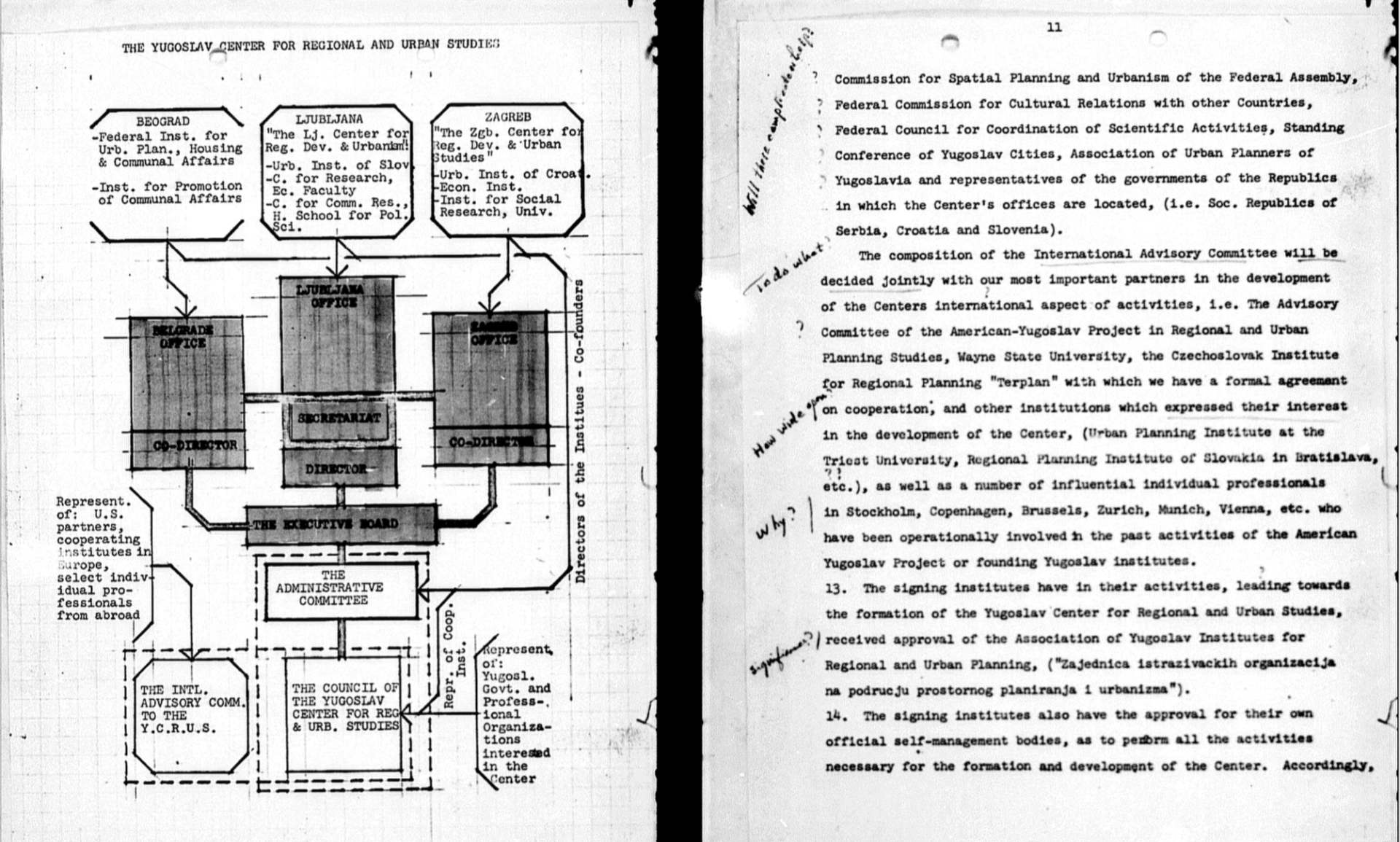
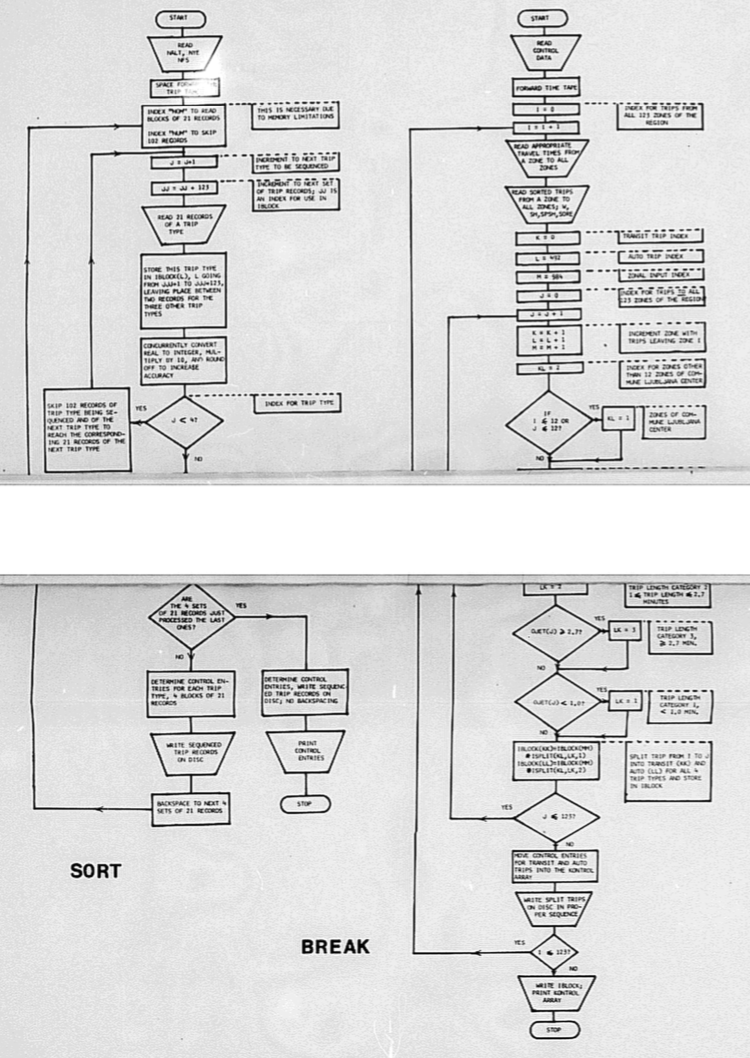
The activities concerning the American-Yugoslav project were initiated in the summer of 1966. The goal was to develop a regional research and training center for spatial planning in Ljubljana with the intent to bring American know-how to regional planning. The emphasis was on the quantification of economic and social factors. In practical terms, the idea was to develop professional plans for Ljubljana region as a case study. At the same time, the goal was to establish an interdisciplinary training and research program for young professional planners. The UPI of Ljubljana served as the administering agency, but it was also the Association of Yugoslav Planning Institutes, known as Zajednica, that provided Federal sponsorship and organized a Yugoslav “national” advisory committee for the project.
The scope of the project was to establish an International Center for Regional Planning Studies chartered as a Yugoslav legal entity. Its charter would provide for a board of directors composed of representatives from Yugoslav planning institutions as well as non-Yugoslav professionals, regional planners and researchers, to enable research activities about regional planning problems, as well as organize and conduct training for professional planners, regional scientists, economists, geographers, demographers, sociologists, architects, and administrative experts.
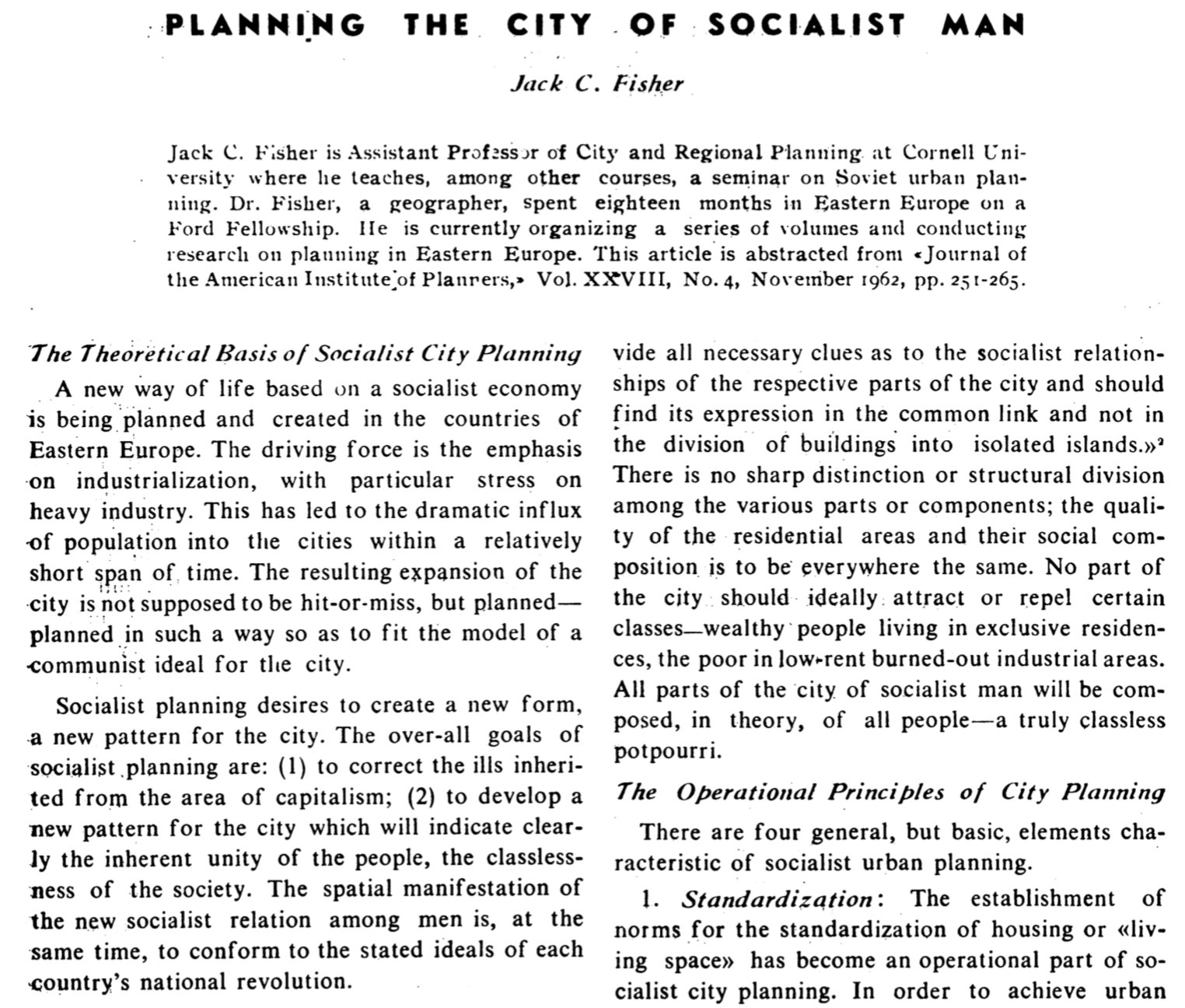
This autonomous think-tank provided the scientific basis for regional development. It laid the foundation for a regional planning institution that cooperated internationally and connected regional urban planners to their American counterparts. Problems arose almost immediately and they reveal the basic differences in planning approaches. The futures of socialist and capitalist societies were expected to materialize differently in space. At the very beginning, the specialist faced a seemingly unresolvable situation.
According to the American planners, urban land, which derives its site value from the incremental gains of its location, was envisioned to be allocated to the most productive users according to the principle of “highest and best use”. This was completely irrelevant in Yugoslavia where urban land was publicly owned and administratively distributed. In such circumstances, the attribution of any value and price to land was an alien idea and caused a significant problem at the start of the AYP since both parties were unable to communicate the basic starting point for planning. This was not the only predicament.
To the Americans, un-priced land provided no clues to the rational spatial arrangement of economic activities. Likewise, housing, which in a market system is an economic good rationed by price and rent, was treated by socialist planners as a public good provided at a nominal charge and allocated in the future to be a free commodity. The 25% rent-to-income ratio, typical for the U.S. context, was perceived by Yugoslav planners as exploitation of renters by landlords. Contrariwise, to the Americans, Yugoslavia’s crowded three-generation households and 10-year dwelling queue was evidence of underinvestment in housing, which, in a capital-short state, could be remedied by higher consumer outlays.
The presentation contextualizes the AYP in relation to post-WWII world development ideologies and highlights those aspects that are starting to emerge as significant in contemporary planning debates. The aim is not to show how post-Yugoslav society became Americanized. Quite the opposite, the project focuses on how specialists involved in the project participated in developing convoluted planning strategies that under certain circumstances provided a beneficial planning practice. However, these circumstances are long gone and the question facing us today is how to untangle the procedures accordingly.
An Insight into Local Perspectives
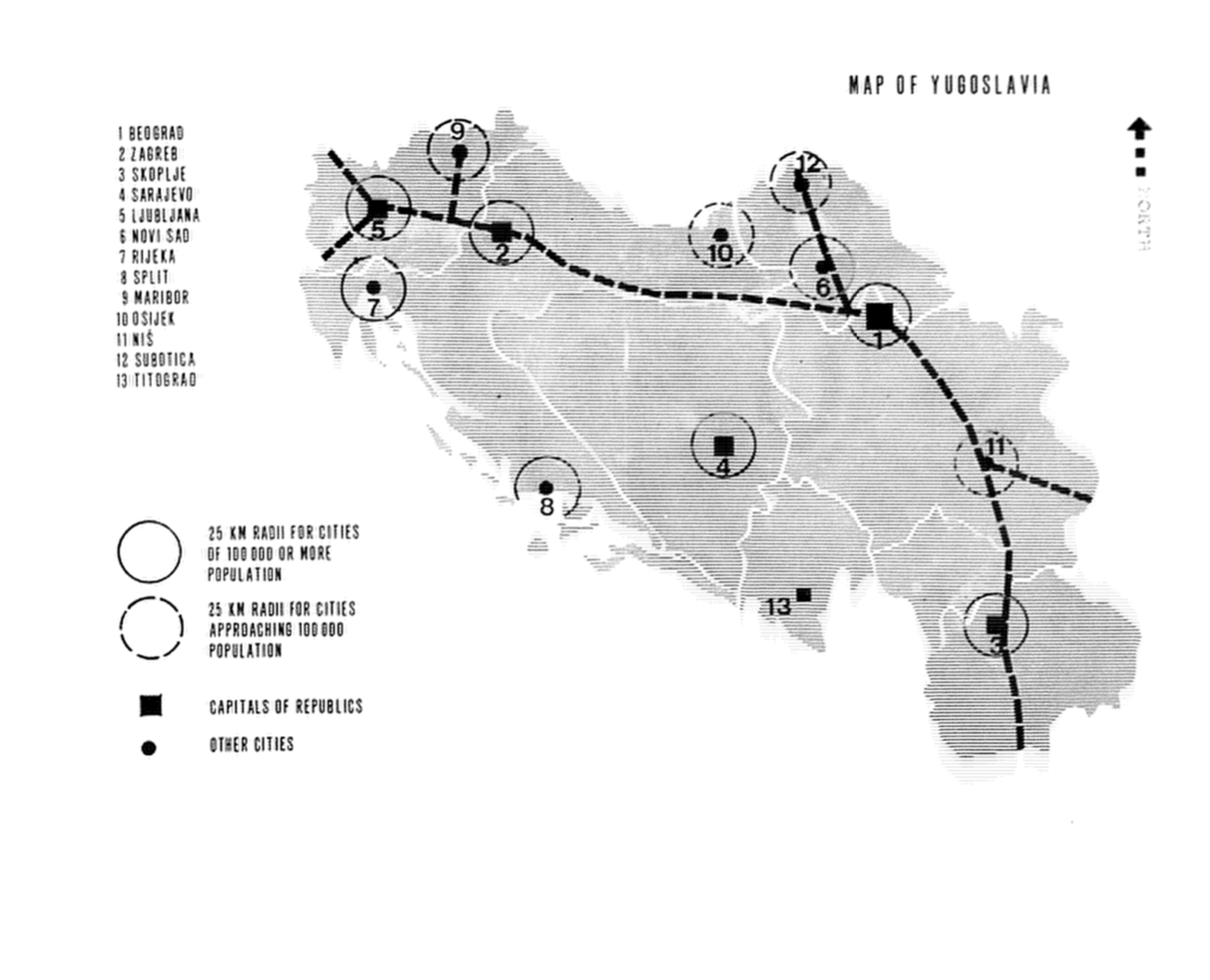
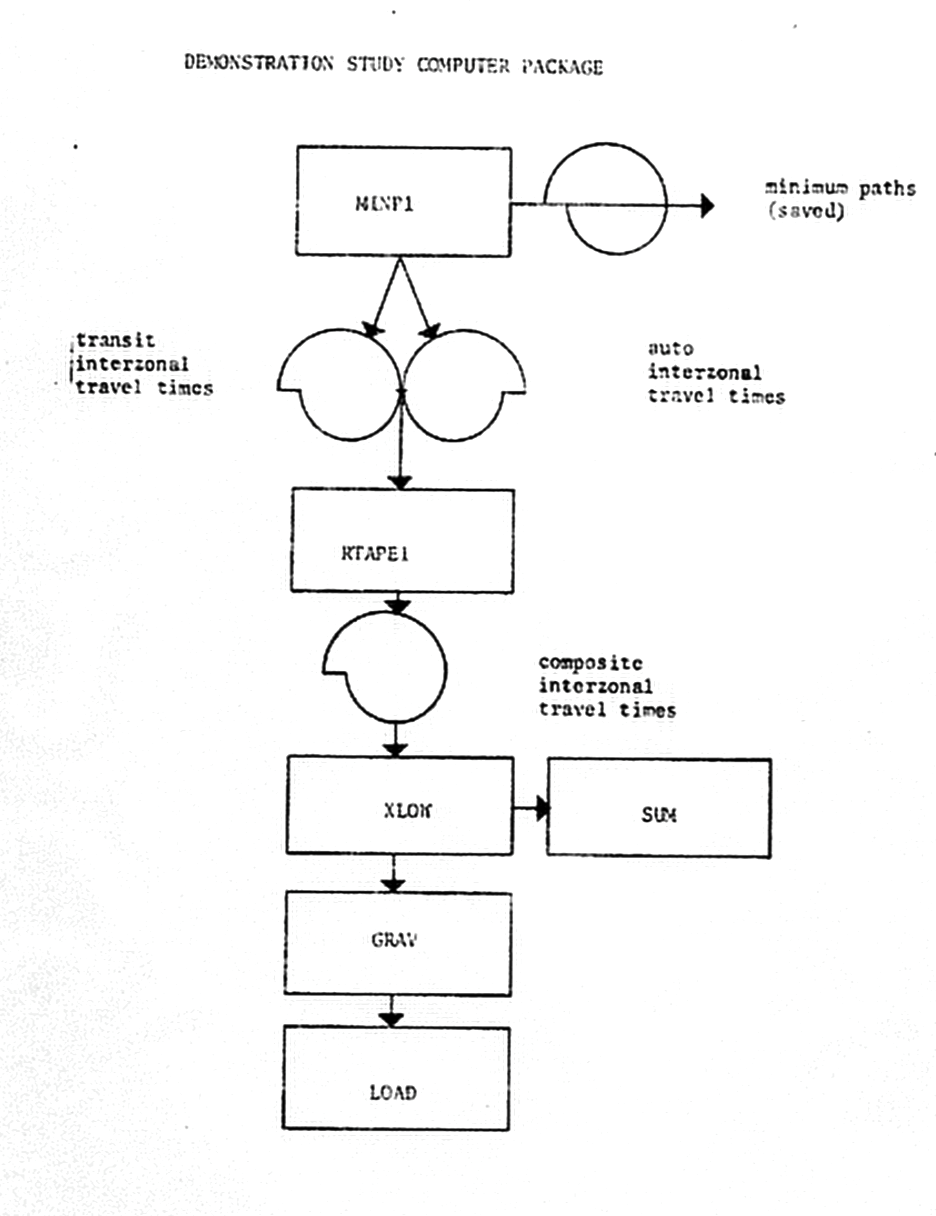
In the 1970s many regional plans and General Plans of major cities in Yugoslavia were being adopted by local assemblies, while the American-Yugoslav Project was well under way in Ljubljana. Nevertheless, many workshops were held all over Yugoslavia, with attendants from all-important planning organizations in the country. The promulgation of the planning documents conveniently coincided with reforms of the planning administration and the reforms of the economy, which occurred at a politically very challenging period for socialist Yugoslavia. Simultaneously, competent legal bodies adopted all major plans such as the Regional plan of the Autonomous Province of Vojvodina, Regional Plan of the Belgrade Metropolitan Area, Regional Plan of the South Adriatic Region and the General Plans of Belgrade, Novi Sad and Niš. The American-Yugoslav Project had produced the Demonstration Study for the Ljubljana Region as a main outcome and the International Centre for Regional Planning Studies.
The second research phase (2021) aims to trace the changes in planning methodology during and after the implementation of the AYP project and to compare the aforementioned planning documents with the Demonstration Study for the Ljubljana Region; to analyze if changes occurred and what their extent was. Furthermore, it will map and examine the regional and spatial planning programs that started appearing at Yugoslavia’s universities in the early 1970s. Through archival and literature research and interviews with the protagonists, the research will also try to track down the activities between spatial planners, urban planners and planning offices from Yugoslavia and international bodies, and especially plans developed in the 1970s and 1980s by experts from Yugoslavia for cities of Non-Aligned countries.
Research results will be presented at the second phase of the project “The Ups & Downs, Highs & Lows… and The Forgotten”, scheduled for spring of 2021.
Key figures:
Vladimir Braco Mušič (1930–2014) was one of the key figures of the first post-WWII generation of architects and planners from Yugoslavia. He graduated in 1958 from the University of Ljubljana, Faculty of Architecture under the mentorship of Edvard Ravnikar. He continued to collaborate as an assistant for the subject Composition as part of the newly founded “B-course.” Ravnikar developed experimental methods aimed at a wider social and university reform at the Ljubljana school of architecture. In 1963-64, Mušič enrolled in Urban Planning Master’s Program at the Harvard University’s Graduate School of Design. From 1959 to 1980 he was a researcher in the field of urban and spatial planning methodology, co-director of the American-Yugoslav Project (1966–70[–72]) and director of the Urban Planning Institute of Ljubljana (1974-80), where he continued his work as Research Counsellor (1989–96). Mušič also taught at the Faculty of Architecture and Biotechnical Faculty of the University of Ljubljana.
Jack Fisher (1932-2007) was a city planner and professor of city and regional planning. Fisher was born and raised in Cortland, N.Y., and earned his B.A. degree in political philosophy and a doctorate in geography from Syracuse University. He began his academic career as an assistant professor at Cornell University, where he focused on city and regional planning and became director of Regional Studies. In 1962, he became the director of the International Urban Studies Program at Wayne State University in Detroit, where he led the university’s Center for Metropolitan Planning and Research at Johns Hopkins. There Fisher’s work focused on city and regional planning and included the political and historical geography of Eastern and Western Europe. Fisher was the director of the American-Yugoslav project from 1967 to 1970. He also established the International Urban Fellowship Program, partially funded by the Ford Foundation. Fisher also helped establish one of the country’s first study abroad programs (Slovenia–Yugoslavia, Austria) designed for engineering students. Fisher held various international appointments, including as an adviser to the Slovenian Ministry of Science and Technology in Ljubljana and as the director-administrator of the Belgrade Transportation and Land Use Study in Yugoslavia. A member of the DOGEE faculty from 1972 to 2000, he also served as the director of the Johns Hopkins Center for Metropolitan Planning and Research until 1989.
John Dyckman (1922–1987) was a professor of Geography and Environmental Engineering, Urban Planning and director at Johns Hopkins Center for Regional Development and Planning, Lille, France. John W. Dyckman received a B.A. from Chicago Teachers College in 1944, and held M.A. and Ph.D. degrees from the University of Chicago. He began working in the planning field in Chicago. During the 1950s, he served as consultant to the American Council to Improve Neighborhoods, the New York City Planning Dept. for Capital Improvement Planning, and the National Park Service. From 1961 to 1963, he was Chief of the Urban and Regional Economic Development section of the Arthur D. Little Company in San Francisco. Beginning in 1965, he worked extensively in the U.S. and overseas, serving as Field Director of the American-Yugoslav Project in Ljubljana (1966), in Israel, Italy, Colombia, Panama, and Egypt. Beginning in 1975, he was a consultant to the Region of Ile de France (Paris), and worked on a number of domestic planning projects as well. He taught a number of American university courses, eventually becoming the James Irvine Professor of Urban and Regional Planning at the University of Southern California. He was a member of the Los Angeles Chapter of Lambda Alpha.
Louis Winnick (1921–2006) worked in the Brooklyn Navy Yard during World War II and graduated from Brooklyn College with a B.A. in History and Economics in 1946. He received an M.A. (1947) and a PhD (1953) in Economics from Columbia University. He taught Economics at Brooklyn College (1948–1949), Columbia University (1947–1949) and Rutgers University (1949–1950) and joined the Institute for Urban Land Use and Housing Studies at Columbia University (1950–1955). Winnick’s studies on housing economics, an important field of study during the post-war housing shortage, guided his future career. In November of 1957, Winnick became Director of Research for the New York City Planning Commission. He then served as Executive Director of the Temporary State Commission on Economic Expansion (1959–1961) before becoming Chief of the Bureau of Planning and Research for the New York City Housing and Redevelopment Board (1961-1963). Winnick joined the Ford Foundation in March of 1963 as a Program Associate for the Public Affairs Program. A year later, in February of 1964, he became the Public Affairs Program’s Associate Director (1964–1966). In 1967, he became Program Officer in Charge of the Urban and Metropolitan Development unit of the National Affairs Division and in June 1968, he was promoted to Deputy Vice President of the Division. He held this position through several Foundation-wide reorganizations for the remainder of his career. Winnick helped establish the Ford Foundation’s focus on urban renewal grants because of the urban turmoil of the 1960s. He is also credited with persuading Foundation President George McBundy to begin funding “program related investments” in the form of equity investments and low-interest loans to schools, hospitals, housing organizations and small businesses in low-income urban areas.